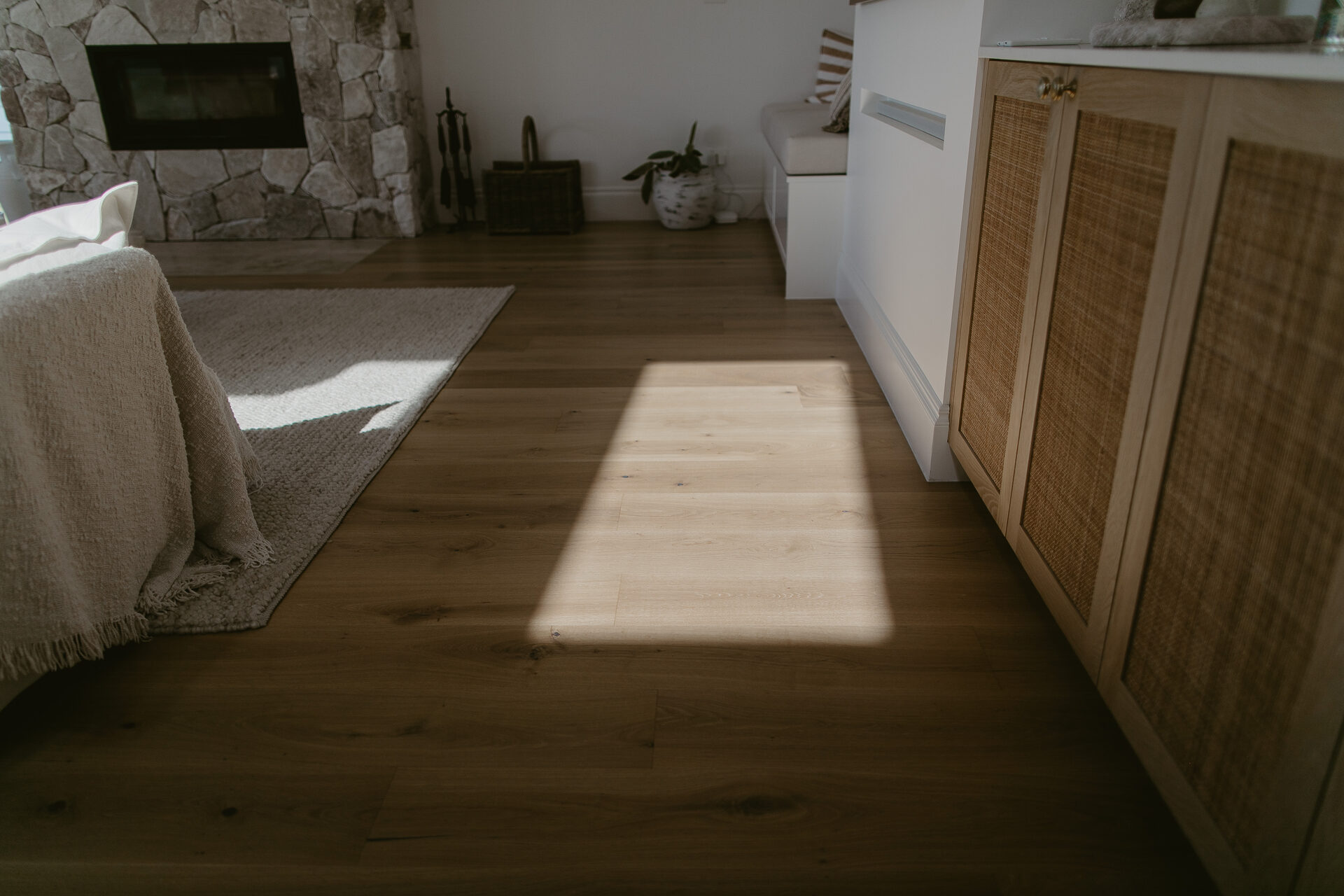
Floor sanding in Newcastle is one of the most effective ways to transform your home. Whether you are restoring original hardwood in a heritage Queenslander or refreshing the timber floors in a modern renovation, understanding the process helps you make better decisions and get better results.
This guide covers everything you need to know - from how floor sanding works to choosing the right floor sander in Newcastle for your project.
What Is Floor Sanding?
Floor sanding is the process of removing the top surface of a timber floor using progressive abrasive grits. This strips away old coatings, scratches, stains and surface damage to reveal fresh timber underneath. The floor is then sealed with a protective finish - typically water-based polyurethane - that provides durability and enhances the natural grain.
A professional Newcastle floor sander uses industrial-grade equipment including belt sanders, edging machines and orbital finishing sanders to achieve a level, consistent surface across the entire floor.
When Should You Sand Your Floors?
Most timber floors in Newcastle benefit from sanding every 10 to 15 years, depending on traffic and maintenance. Clear signs your floors need attention include visible scratches and wear patterns, dull or discoloured patches, peeling or flaking finish, water marks or staining, and boards that feel rough underfoot.
If you are renovating, floor sanding is best done after plastering and painting but before final fixtures are installed. This minimises dust contamination and avoids damage to new work.
The Floor Sanding Process
A reputable floor sander in Newcastle follows a structured process to ensure consistent results:
Assessment: On-site evaluation of timber species, board condition, existing coatings and any repairs needed. This determines the approach, timeline and cost.
Preparation: Furniture is moved or protected. Nail heads are punched below the surface. Damaged boards are repaired or replaced. Adjacent areas are masked and sealed.
Sanding: Progressive abrasive sequence - typically starting at 40 grit and finishing at 100 or 120 grit. Edges and corners are done with specialised equipment. The goal is a perfectly level surface with no visible sanding marks.
Gap filling: Gaps between boards are filled with a timber dust and resin mixture that matches the floor colour. This is sanded flush once cured.
Finishing: Two to three coats of water-based polyurethane are applied, with light sanding between coats for adhesion. Each coat needs adequate curing time.
Aftercare: Your floor sander should provide clear guidance on curing times, when to replace furniture and ongoing maintenance.
Want to see our process in detail? View our structured process →
Types of Timber Floors in Newcastle Homes
Newcastle and the Hunter Region have a wide range of timber species in residential flooring. The most common include Blackbutt (the region's most popular choice - durable, warm tones, sands beautifully), Spotted Gum (distinctive grain with natural colour variation), Tallowwood (golden tones with natural resilience, common in older Newcastle homes), Ironbark (extremely dense and durable - requires experienced floor sanding technique), and Baltic Pine (found in many heritage homes - softer and requires careful handling).
Each species responds differently to sanding and finishing. An experienced Newcastle floor sander adjusts their technique, abrasive selection and finishing approach based on the specific timber.
Choosing a Floor Finish
The finish you choose affects both the appearance and longevity of your sanded floors. For most Newcastle homes, we recommend water-based polyurethane - it offers excellent durability, dries quickly, has low odour and does not yellow over time.
Finish options include matte (natural, understated look), satin (slight sheen, the most popular choice), semi-gloss (more reflective, shows off grain detail), and full gloss (high shine, less common in modern homes).
For a deeper look at finish options, visit our floor sanding and polishing page →
How Long Does Floor Sanding Take?
Most residential floor sanding projects in Newcastle take three to seven days. This includes sanding (one to two days for an average home), finishing (two to three days, including curing time between coats), and final cure before furniture replacement (typically 48 to 72 hours after the last coat).
Larger homes, multiple rooms or floors requiring extensive preparation may take longer. Your floor sander should provide a clear timeline before work begins.
How to Choose a Floor Sander in Newcastle
Not all floor sanders deliver the same quality. When choosing a floor sander in Newcastle, look for proven local experience (ask for recent Newcastle projects you can view), professional-grade equipment (not consumer-hire machines), clear quoting with no hidden costs, quality finish products from reputable suppliers, insurance and proper licensing, and genuine reviews from local customers.
At Absolute Floor Sanding, we have been servicing Newcastle and the Hunter Region for over 25 years. Learn more about our team →
Ready to Get Started?
If your timber floors need attention, we are happy to visit your home, assess your floors and provide a clear recommendation. No pressure, no obligation - just honest advice from a local Newcastle floor sander who has been doing this for over two decades.